Old World Opulence to Modern Minimalism: Has the World Lost Color?
While its roots are somewhat debated, maximalism can generally be traced to the Baroque and Rococo design movements of the 17th and 18th centuries.
Think Versailles and the Palais Garnier. Rooms adorned with gold trim, detailed frescoes, crystal chandeliers, and ornate molding.
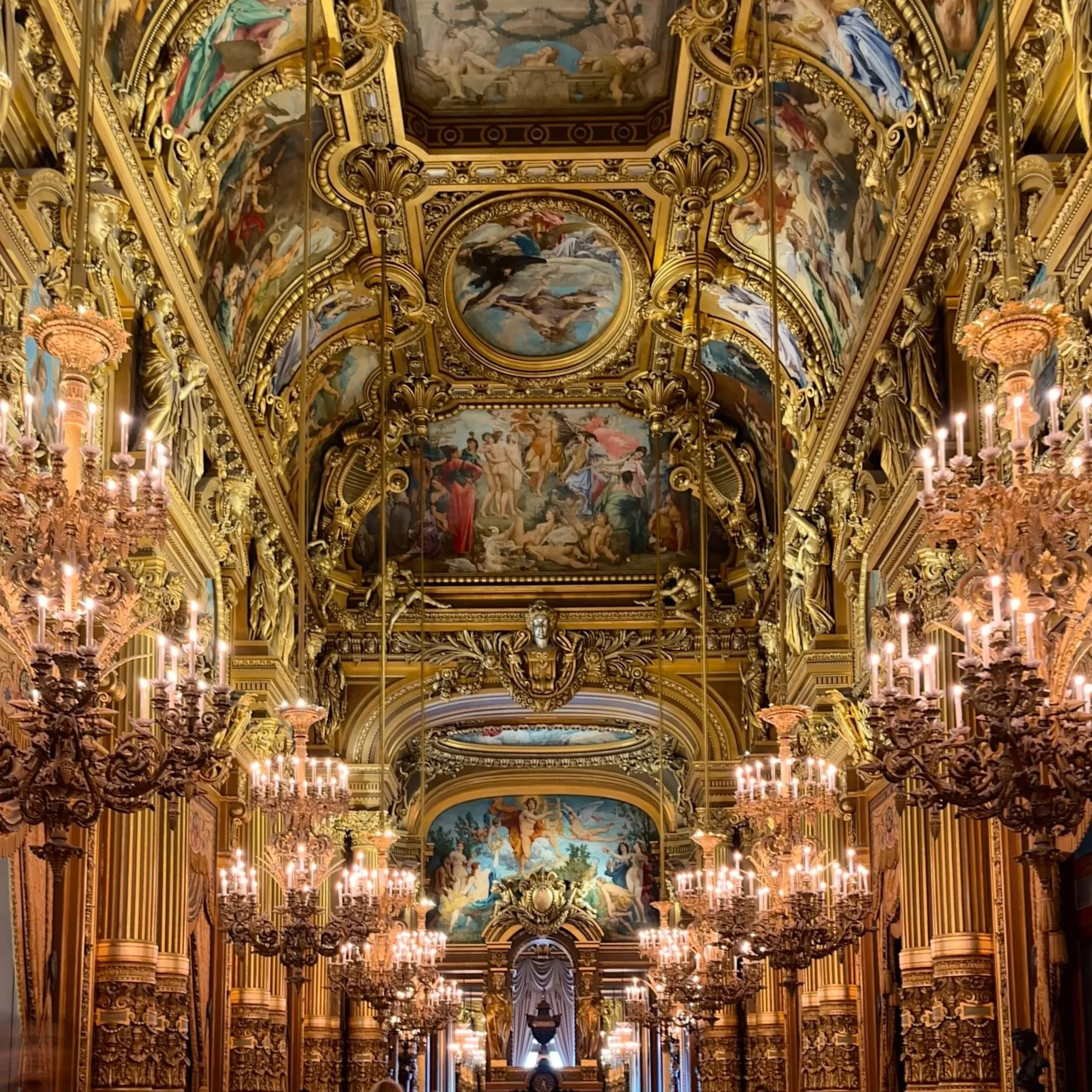
Grand Foyer, Palais Garnier
The grandeur of early maximalism took on new forms over time. Industrialization and global trade shaped Victorian homes. Carved wooden furniture, patterned wallpaper, and dramatic drapery were staples. “Cabinets of curiosities” became a status symbol; collectibles a form of social currency.
The geometric glamour of Art Deco, the eclectic irreverence of Postmodernism. Each movement reinterpreted visual noise in its own way.
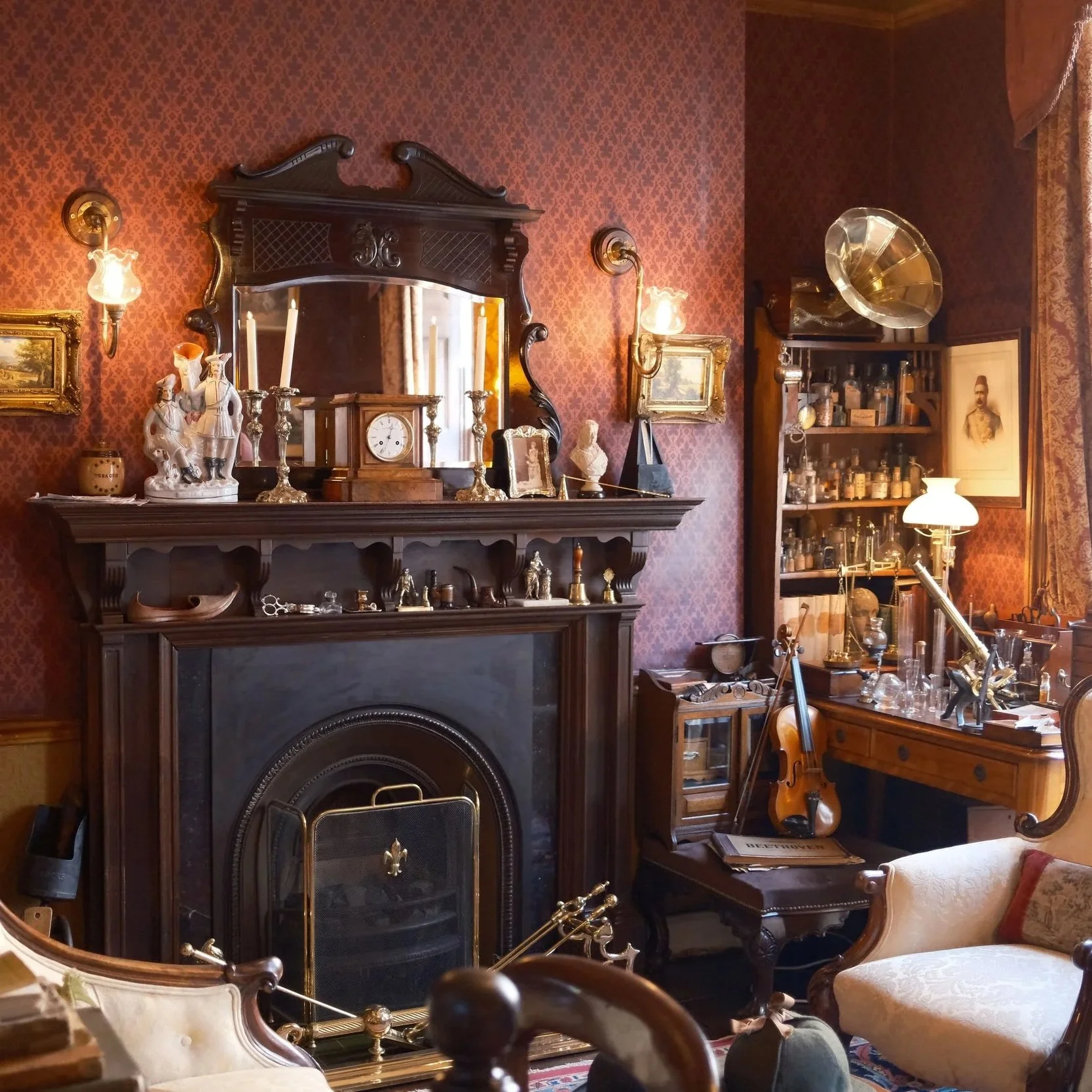
cut to modern day
Minimalism moved to the forefront of the design zeitgeist. The ‘beige epidemic’ (neutral palettes, white walls, and understated furnishings) trended with the ‘clean girl’ aesthetic.
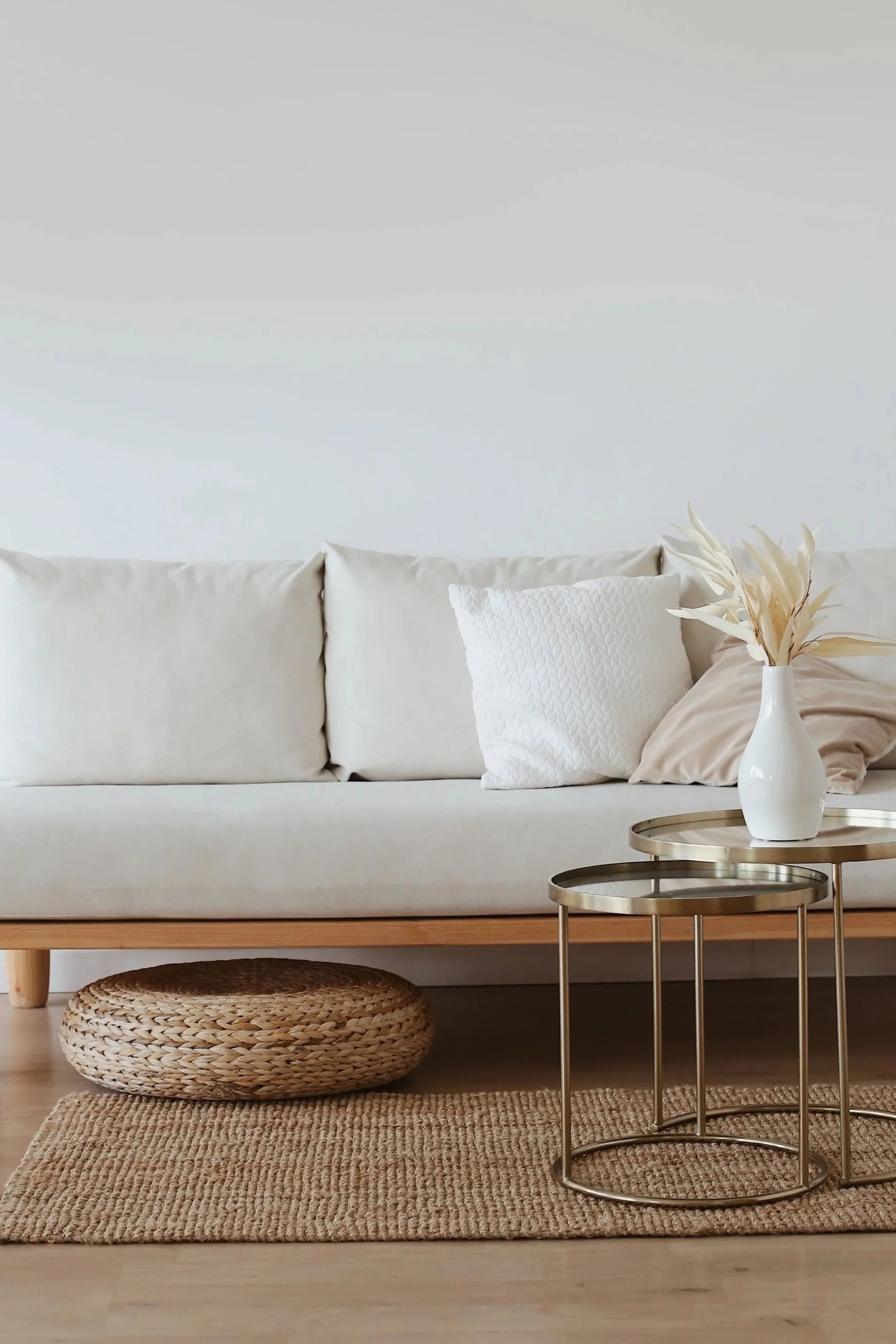
One could argue that economic pressures led to the shift. Discretionary spending falls to the wayside as the cost of living increases.
Yet even those with financial freedom embrace a restrained design approach. Kim Kardashian's Hidden Hills home is just one example. Despite access to unlimited resources and design expertise, she opted for an aesthetic so simple it borders on sterile.
The appeal of minimalism may be due to its simplicity, but does it come at the expense of character?
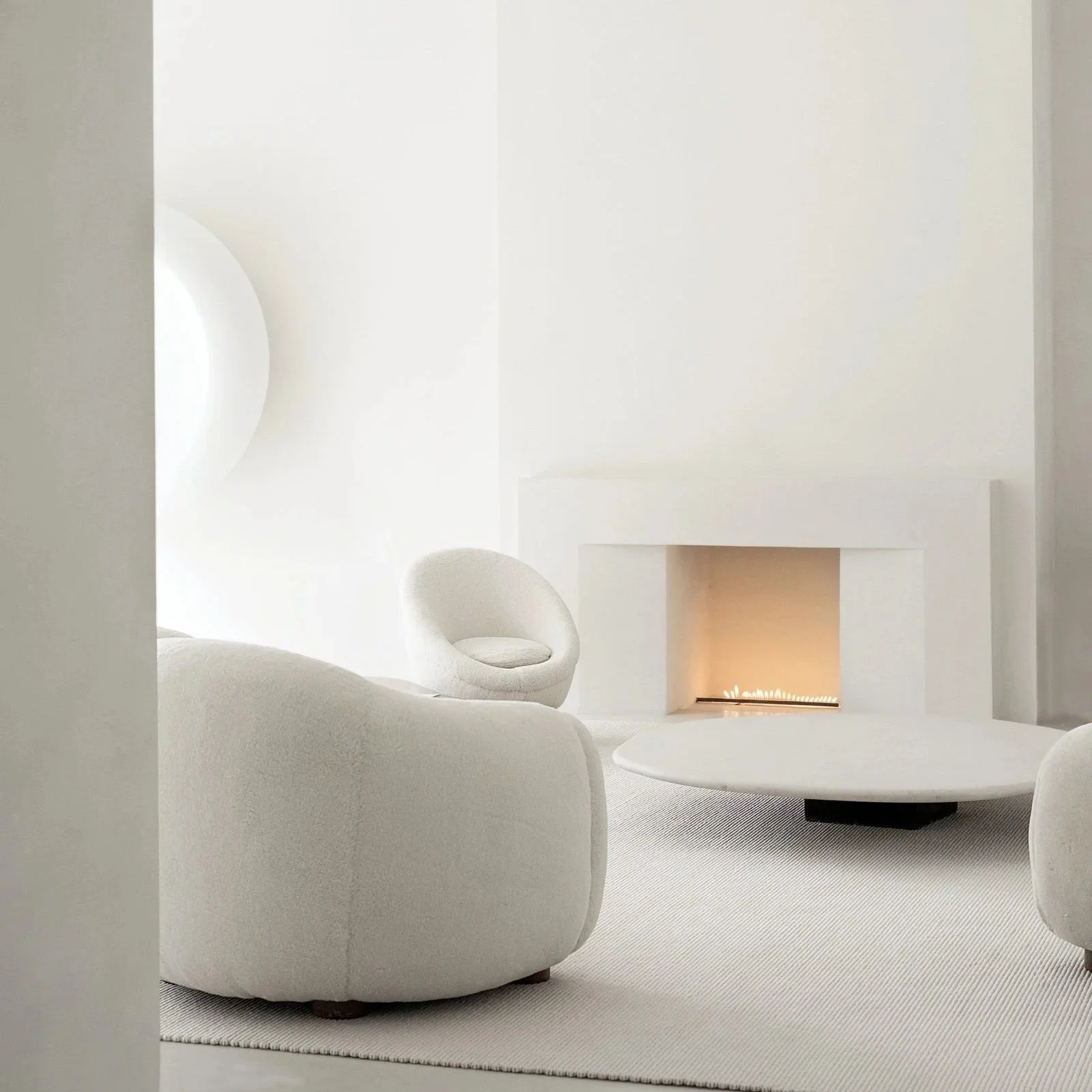
Kim Kardashian’s Hidden Hills Mansion
Championed by visionaries like Heidi Caillier and Martin Brudnizki, a refined form of maximalism is making a comeback. Their mastery of color and texture makes a room feel timeless and thoughtfully curated. Every element tells a story.
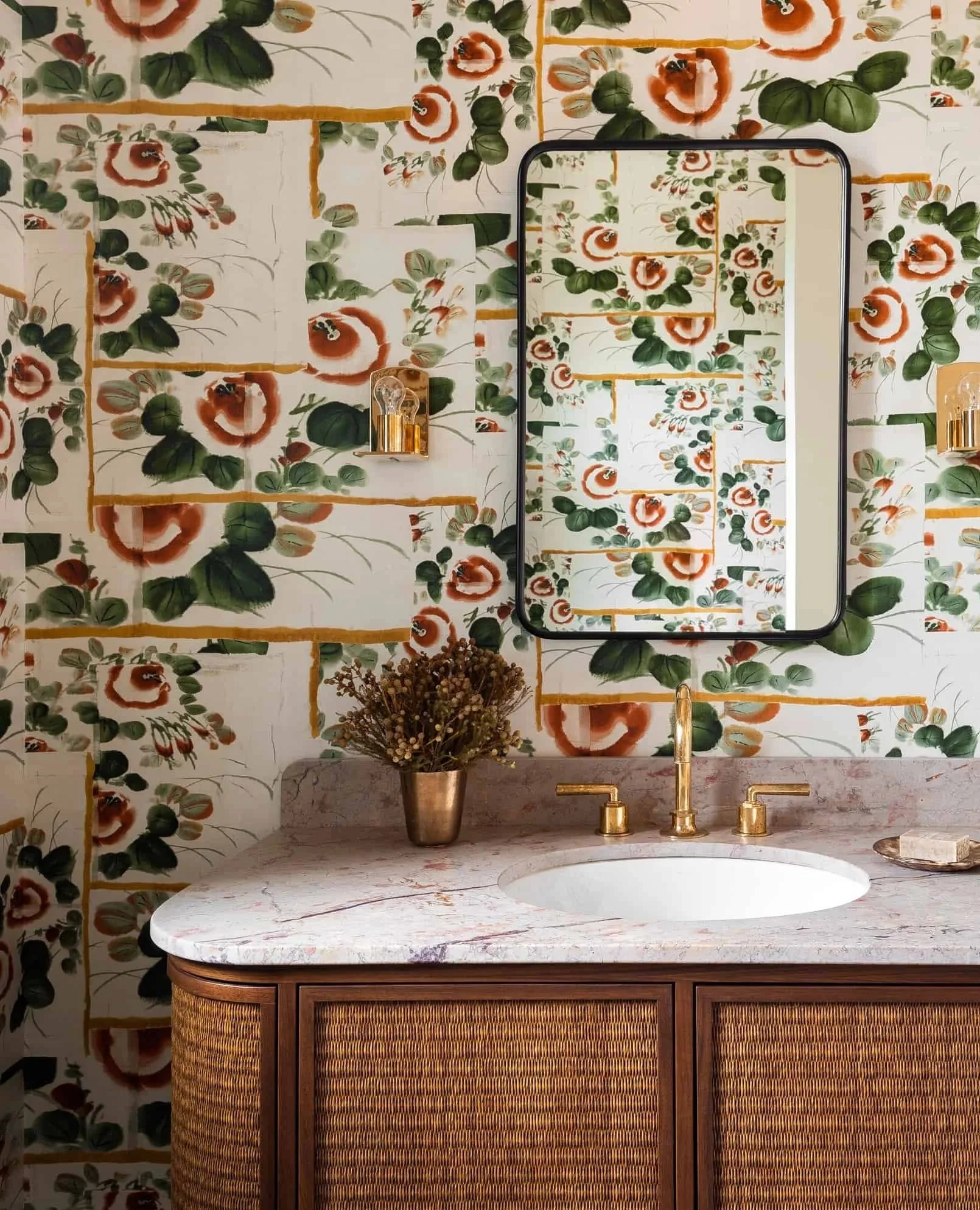
Fox Island, Heidi Caillier Design
Art collections, travel tokens, family heirlooms; our homes are a physical manifestation of our experiences.
There’s a common misconception that the “more is more” approach means busy or cluttered, but when done right, a maximalist home feels warm and organic; sophisticated yet playful.
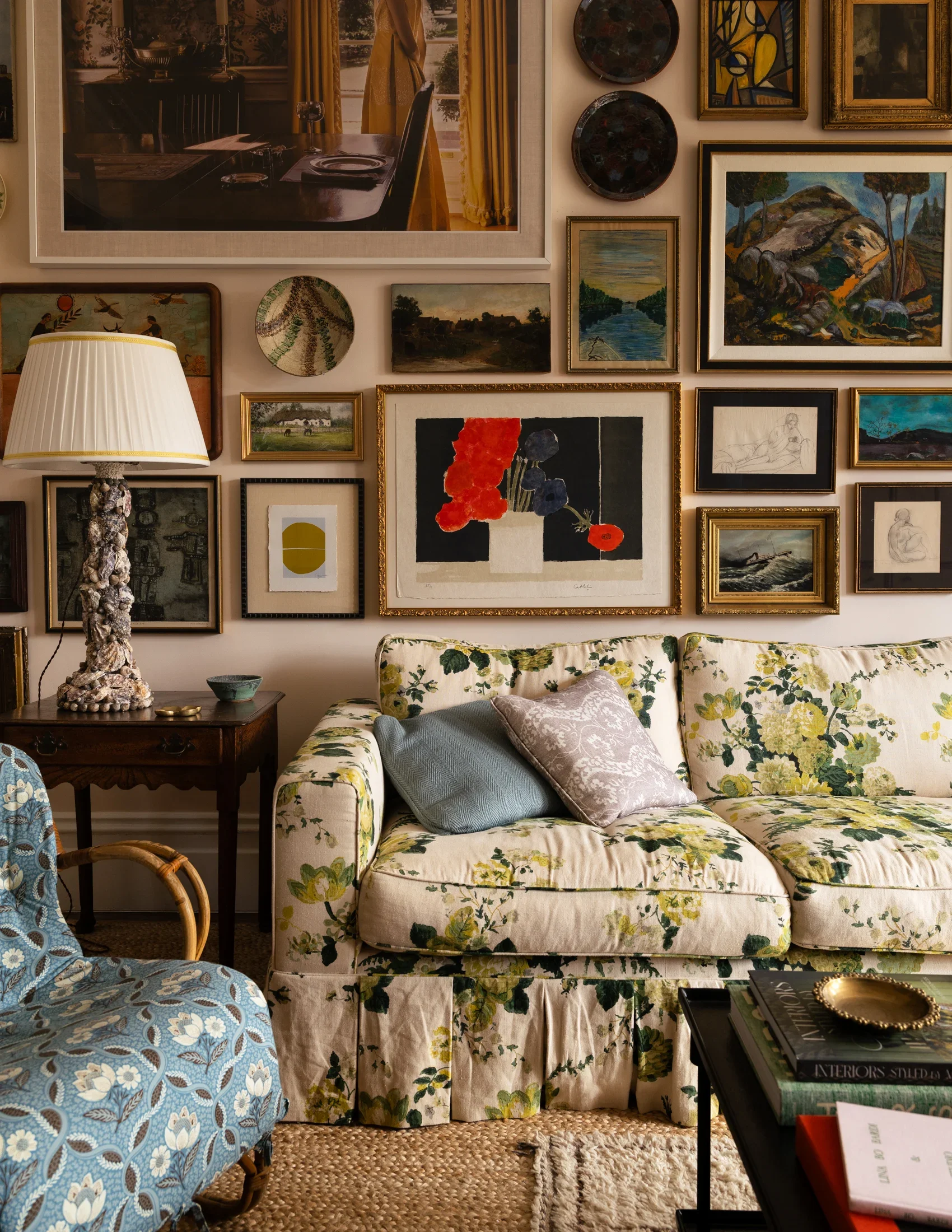
Heidi Caillier’s San Francisco Home
Maybe the question was never whether the world lost color, but if we’d become too comfortable living without it.
In the age of influencer culture, individuality is rare. Trends and fads shape the way we design.
But what’s more timeless than a space that feels uniquely yours?